Top FDA Drug Officer Set to Exit Weeks into New Role
FDA's New Drug Division Director Files for Early Retirement Amid Frustration Over Alleged Political Interference
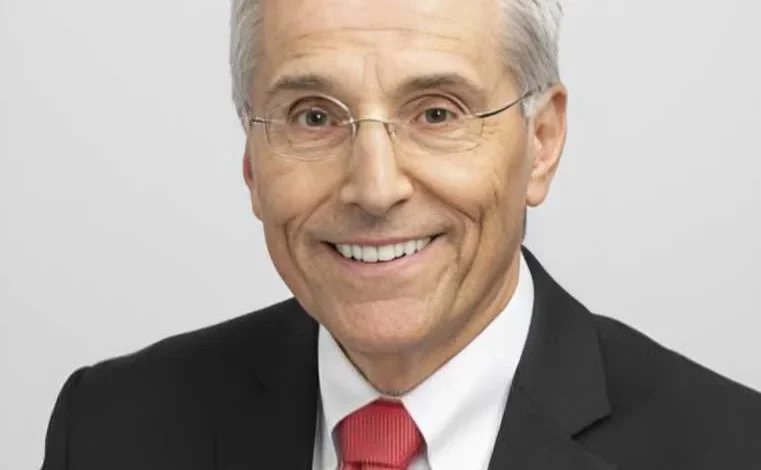
The long-serving oncology chief of the U.S. Food and Drug Administration (FDA) has filed to retire from the agency, just weeks after he was appointed to lead the FDA’s drug division.
Richard Pazdur, who founded the Oncology Center of Excellence in 2017 and joined the FDA in 1999, was named Director of the Center for Drug Evaluation and Research (CDER) on November 11, taking over the leadership of the FDA’s largest division following the sudden resignation of its former director.
Internal Conflict and Abrupt Decision:
Mr. Pazdur’s retirement decision represents a remarkable reversal, particularly given that the FDA Commissioner had just lauded him as a “true regulatory innovator” and “an impressive forward-thinking scientist” upon his appointment.
However, sources familiar with the situation indicated that Mr. Pazdur’s exit stems from frustration with the agency’s senior leadership. He reportedly balked at what he perceived as political interference in his division, which oversees most prescription drugs, over-the-counter medicines, and widely used products.
Mr. Pazdur had initially turned down the offer to lead CDER due to concerns over potential clashes with the head of the agency’s biologics division, who had previously criticized his work publicly. Although the FDA Commissioner later pressed him to reconsider, assuring him of full autonomy, Mr. Pazdur began signaling his unhappiness within days of accepting the role, particularly raising concerns about a plan to expedite certain drug decisions.
He informed colleagues of his plan to retire at the end of the month, suggesting he viewed the current situation as unsalvageable.
Impact and Legacy:
Mr. Pazdur’s retirement will create vacancies at both the top of CDER and the oncology center. He is widely credited with having transformed how the agency regulates cancer drugs, helping to forge faster pathways to bring them to market.
His impending departure, from a role he was once described by a Wall Street analyst as “arguably the most qualified candidate in the entire healthcare ecosystem for this role,” led to a drop in the stocks of biotechnology companies, including makers of cancer drugs. An agency spokesperson acknowledged his “26 years of distinguished service” and the legacy of “cross-center regulatory innovation.”